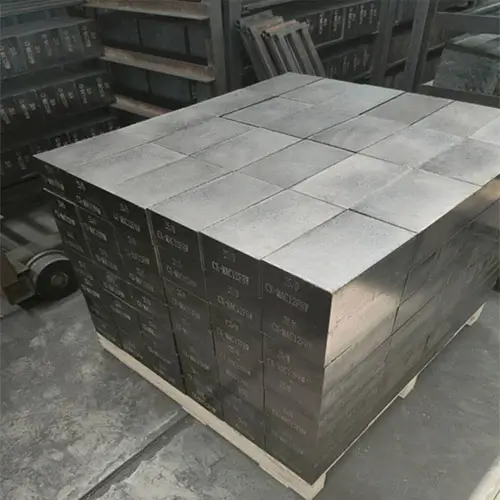
MgO-C bricks are primarily used in the headspace and slag line areas when refining ladle furnaces and ladles. Depending on operating conditions, refractories in these zones must withstand high temperatures, thermal shock, and mechanical erosion caused by slag attack. Previously, magnesium-chromium refractories were selected for these areas, but their use has declined due to chromium’s environmental pollution concerns. Magnesium-carbon bricks are now preferred.
During the preheating process, magnesium-carbon bricks in new ladles suffer severe damage, with loose decarburized layers reaching 30–60 mm in thickness. This layer is washed away during molten steel pouring, carrying magnesia particles into the slag. Evidently, preventing carbon loss from magnesium-carbon bricks during preheating is crucial for extending their service life in the ladle’s head and slag line areas. Beyond incorporating composite anti-oxidation agents into the magnesia-carbon bricks, the key technical measure involves coating the brick surfaces with an alkali-containing, low-melting-point glass phase liquid after lining installation. This protective layer safeguards the carbon within the bricks from being burned off during ladle preheating.
Application of magnesium-carbon bricks in converter lining
Due to varying operating conditions across different sections of the converter lining, the performance of magnesia-carbon bricks also differs.
The furnace mouth section is continuously subjected to impacts from both cold and hot molten steel. Therefore, refractories used at the furnace mouth must withstand erosion from high-temperature slag and exhaust gases, resist steel adhesion, and facilitate prompt cleaning. The furnace cap area not only suffers severe slag erosion but also endures rapid thermal cycling. It is further subjected to the combined effects of high-temperature gas streams from carbon oxidation and abrasion by dust-laden exhaust gases. Consequently, magnesia-carbon bricks with strong slag resistance and high peel resistance are employed. The charging side requires magnesia-carbon bricks that not only possess high slag resistance but also exhibit exceptional high-temperature strength and excellent spalling resistance. Consequently, high-strength magnesia-carbon bricks incorporating metallic anti-oxidation agents are typically used. Research indicates that magnesia-carbon bricks containing aluminum exhibit lower high-temperature strength at lower temperatures compared to samples with combined aluminum and silicon additions. However, their high-temperature strength increases at elevated temperatures. The slag line represents the tri-phase boundary between the refractory lining, molten slag, and furnace gases, making it the area most severely affected by slag erosion. Consequently, magnesia-carbon bricks with excellent slag resistance must be used for this section. Magnesia-carbon bricks with higher carbon content are required for the slag line area.
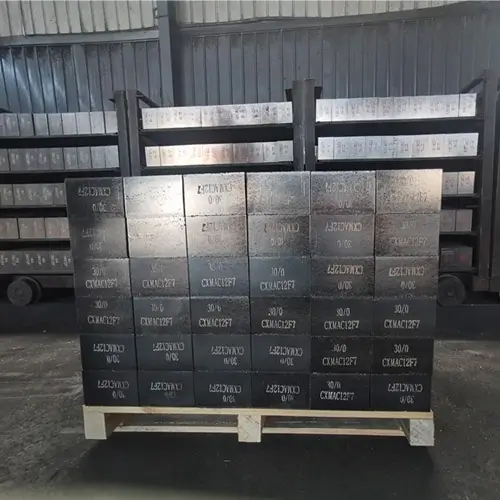
Application of magnesium carbon bricks in electric furnaces
Currently, electric furnace walls are almost entirely constructed using magnesia-carbon bricks. Consequently, the lifespan of these bricks determines the operational life of the furnace. Key factors influencing the quality of magnesia-carbon bricks for electric furnaces include: The purity, crystallinity, and flake size of flake graphite, which serves as the carbon introduction source; Thermosetting phenolic resin is typically selected as the binder, with the primary influencing factors being the addition amount and residual carbon content. It has been demonstrated that adding antioxidants to magnesia-carbon bricks can alter and improve their matrix structure. However, under normal operating conditions of electric furnaces, antioxidants are not essential components of these bricks. Only in arc furnaces handling high-FeO slag—such as those using direct reduced iron, areas with irregular oxidation, or hot spots within the furnace—does the addition of various metallic antioxidants become a crucial part of the brick composition.
The erosion behavior of magnesium-carbon bricks at the slag line manifests as the formation of a distinct reaction-compacted layer and a decarburized porous layer. The reaction-compacted zone, also termed the slag penetration zone, represents the erosion area where high-temperature liquid slag infiltrates the brick interior after extensive porosity develops due to decarburization. Within this zone, FeO in the molten slag is reduced to metallic iron. Even Fe₂O₃ dissolved in MgO and intergranular Fe₂O₃ phases are reduced to metallic iron. The penetration depth of molten slag into the brick is primarily determined by the thickness of the decarburized porous layer, typically terminating at residual graphite. Under normal conditions, the decarburized layer in magnesia-carbon bricks remains relatively thin due to the presence of graphite.
Electric furnace tapping ports employ two methods: tilting tapping through a tapping channel and bottom tapping. When tilting tapping through a channel is used, magnesium-carbon bricks are rarely employed. Instead, Al₂O₃ or ZrO₂ bricks are selected, supplemented with non-oxygen-containing elements such as C, SiC, and Si₃N₄. For bottom tapping, the tapping outlet comprises an outer sleeve brick and an inner tube brick. The bottom tapping outlet employs magnesia-carbon tube bricks, with the tube diameter determined by factors such as furnace capacity and tapping duration, typically ranging from 140 to 260 mm in inner diameter.
A steel mill’s electric furnace achieved preliminary success by replacing sintered magnesia bricks with medium-grade and low-grade magnesia-carbon bricks in the steel tapping outlet and copper tapping outlet side areas. This extended furnace life from approximately 60 charges to over double that duration. Post-use inspection revealed the magnesia-carbon bricks at the slag line remained largely intact without slag adhesion. The slag line area required no furnace repairs, thereby reducing labor intensity while enhancing molten steel purity and production efficiency.
Application of aluminum-magnesium-carbon bricks in ladles
MgO-C bricks are primarily used in the headspace and slag line areas when refining ladle furnaces and ladles. Depending on operating conditions, refractories in these zones must withstand high temperatures, thermal shock, and mechanical erosion caused by slag attack. Previously, magnesium-chromium refractories were selected for these areas, but their use has declined due to chromium’s environmental pollution concerns. Magnesium-carbon bricks are now preferred.
During the preheating process, magnesium-carbon bricks in new ladles suffer severe damage, with loose decarburized layers reaching 30–60 mm in thickness. This layer is washed away during molten steel pouring, carrying magnesia particles into the slag. Evidently, preventing carbon loss from magnesium-carbon bricks during preheating is crucial for extending their service life in the ladle’s head and slag line areas. Beyond incorporating composite anti-oxidation agents into the magnesia-carbon bricks, the key technical measure involves coating the brick surfaces with an alkali-containing, low-melting-point glass phase liquid after lining installation. This protective layer safeguards the carbon within the bricks from being burned off during ladle preheating.